

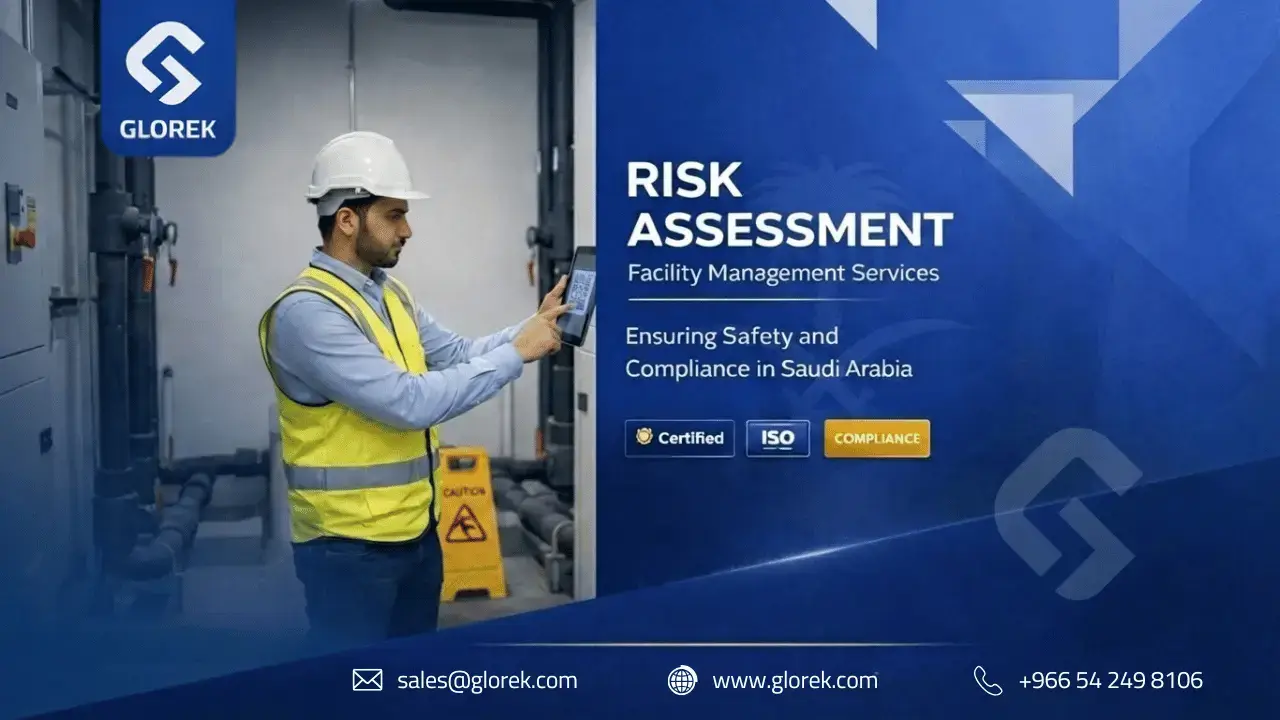
Businesses across Saudi Arabia are expanding rapidly, and their facilities are evolving just as quickly. As buildings grow larger and more complex, hidden risks can develop behind seemingly smooth daily operations. Without early attention, these issues can quietly affect safety standards, regulatory compliance, and productivity.
When everything appears to be running fine, facility risks are easy to miss. Regular risk assessments help uncover these concerns early, before they turn into costly or disruptive problems.
What Is Facility Management Risk Assessment?
A facility management risk assessment identifies workplace hazards that can affect safety, compliance, and daily operations. It evaluates building systems, equipment, and routine activities that support day-to-day functionality. In Saudi Arabia, these assessments must also consider environmental challenges such as extreme heat, dust, and sandstorms.
Aligned with Saudi Vision 2030, effective risk assessments help create safer and more efficient facilities. By prioritizing risks based on their impact, businesses can focus resources where they matter most. Many businesses rely on structured facility management support services to maintain this level of oversight across complex facilities.
Types of Risks in Facility Management
Understanding facility management risks requires looking beyond obvious hazards. These risks typically fall into three core categories:
1. Workplace Safety Risk Assessment
Employee and occupant safety is the foundation of effective facility management.
- Fire Safety: High ambient temperatures in Saudi Arabia place constant strain on electrical systems and HVAC infrastructure. Poorly maintained wiring, overloaded circuits, or neglected cooling equipment can significantly increase fire risk.
- Slips, Trips, and Ergonomics: Uneven flooring, poor lighting, and improper workstation design often lead to injuries that reduce productivity and increase liability.
Saudi-specific example:
In many parts of the Kingdom, sand buildup in outdoor HVAC units can reduce cooling efficiency by up to 30% if inspections are delayed. During peak summer months, this added strain increases the likelihood of system failure and safety-related incidents.
2. Compliance and Regulatory Risks
Under Vision 2030, Saudi Arabia has strengthened building safety, labor, and environmental regulations. Compliance risks in facility management arise when facilities fail to meet these evolving standards.
- Civil Defense Compliance: Fire alarms, suppression systems, and emergency exits must meet inspection and approval requirements set by the General Directorate of Civil Defense.
- Environmental Compliance: Waste handling, pest control, and water management practices are increasingly monitored to support sustainability and public health objectives.
Maintaining compliance becomes more manageable when businesses adopt afacility management approach for commercial buildings that aligns daily operations with local regulatory expectations.
3. Operational Risks in Facilities
Operational risks in facilities directly impact business continuity.
- Critical Equipment Failure: AC system breakdowns during peak summer periods can halt office operations, damage IT infrastructure, and significantly reduce employee productivity.
- Vendor Dependency: Relying on a single supplier for spare parts or essential maintenance services increases vulnerability during supply disruptions.
How Poor Risk Management Impacts Business Operations
Ignoring health and safety risk management often leads to a chain reaction of operational issues:
- Financial Loss: Emergency repairs, compliance fines, and increased insurance premiums often exceed the cost of preventive planning.
- Reputational Damage: Safety incidents or prolonged facility shutdowns can weaken trust among clients, employees, and business partners.
- Legal Exposure: Saudi labor laws place clear responsibility on employers to provide safe working environments, making non-compliance a serious legal risk.
Key Steps to Conduct a Facility Management Risk Assessment
A practical assessment follows a structured and repeatable process:
Step 1: Identify the Hazards
Conduct regular site inspections and engage frontline staff such as cleaners, security personnel, and technicians, who often identify early warning signs before failures occur.
Step 2: Determine Who Might Be Harmed
Consider employees, contractors, visitors, and the public—especially in retail, healthcare, or hospitality environments.
Step 3: Evaluate Risks and Prioritize Actions
Use a simple risk matrix to assess probability and impact:
| Risk Level | Likelihood | Impact | Action Required |
| High | High | Severe | Immediate corrective action |
| Medium | Medium | Moderate | Planned mitigation |
| Low | Low | Minor | Monitor and review |
This approach helps decision-makers focus on the most critical risks first.
Step 4: Document Findings
Accurate documentation supports compliance audits and ensures accountability for corrective actions.
Step 5: Review and Update
Risk assessments should be reviewed annually, after major equipment upgrades, or following extreme weather events.
Common Mistakes Businesses Make
- Treating risk assessments as a paperwork exercise
- Ignoring near-miss incidents that indicate deeper issues
- Using maintenance schedules not suited to Saudi environmental conditions
- Failing to train staff on hazard reporting procedures
These mistakes often lead to avoidable downtime and higher long-term costs.
Best Practices for Ongoing Risk Management
To shift from reactive responses to proactive control, businesses should:
- Adopt Predictive Maintenance: Monitor equipment performance to detect failures early.
- Centralize Documentation: Maintain compliance records and inspection reports in one accessible system.
- Build a Safety Culture: Encourage employees to report hazards without hesitation.
- Localize Risk Strategies: Adapt planning to Saudi climate conditions, regulations, and operating realities.
Many organizations maintain consistency across sites by working with coordinated facility support services.
Conclusion
A comprehensive facility management risk assessment is essential for building resilient, compliant, and efficient operations. By proactively addressing safety, compliance, and operational risks, businesses in Saudi Arabia can protect assets, reduce downtime, and operate with confidence in an increasingly regulated environment.As facility operations grow more complex, many organizations support these efforts throughprofessional facility management solutions that help maintain safe, compliant, and well-managed workplaces across all essential support functions.